You’ve got the site lined up and the shed design ready to go. Then comes the question that matters most:
Do I need a building consent?
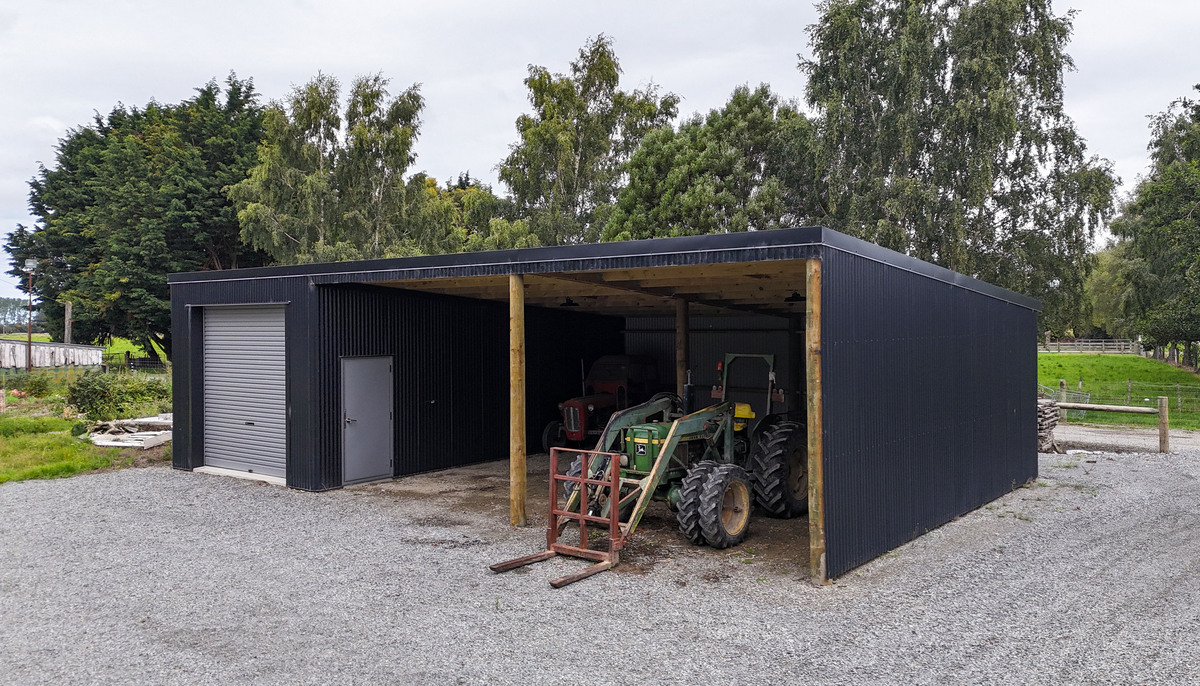
If you’re building a centre pole shed on rural land, there’s a good chance it may be exempt from building consent - but only if your shed meets the exemption criteria.
On the other hand, if you’re planning a larger shed, or a clearspan shed without internal supports, it’s far more likely you’ll need a full building consent.
In this blog, we’ll explain when a rural pole shed can be consent exempt, what the rules are, and what your options look like if your shed doesn’t qualify for an exemption.
Jump To
- What is a building consent exemption?
- Does my shed qualify for an exemption?
- Design and construction oversight
- How to apply for a building consent exemption
- Consent exemptions done right
- What if my shed does require building consent?
What is a building consent exemption?
In New Zealand, most building work requires council approval to confirm it meets the Building Code. But not every structure needs to go through the full consent process.
A building consent exemption is where the law allows certain types of building work to be completed without a building consent—as long as specific conditions are met.
The idea is simple: remove unnecessary red tape for lower-risk building work, while still ensuring projects are built safely and correctly.
Sheds are one of the most common structures that can fall under these exemptions, particularly under Schedule 1 of the Building Act 2004, which lists the building work that may be exempt.
The important part: not every shed is automatically exempt.
Does my shed qualify for an exemption?
If you’re building a rural pole shed, the exemption most people are referring to sits under Clause 2.6 of Schedule 1.
To qualify, your shed must meet a clear list of criteria. In general, it needs to be:
- In a rural zone (as defined by your district plan)
- A detached, single-storey building
- Built with a floor level no more than 1 metre above ground
- No higher than 4 metres at the highest point of the roof
- 110m² or less in floor area
- Designed or reviewed by a Chartered Professional Engineer to confirm compliance with the NZ Building Code
- Built with an unsupported roof span of 6 metres or less
- (If the span is wider, you’ll typically need a centre pole to remain exempt.)
- Positioned at least its own height away from any residential building, public road, railway, or legal boundary
- Built on a site with a wind zone no greater than “High” (not exceeding 44 m/s)
There are also restrictions on how the building will be used. To remain exempt, the shed must:
- Be used only for farming activities
- Not be open to the public
- Not be used for storing hazardous substances (as defined in the Health and Safety at Work (Hazardous Substances) Regulations 2017)
One more thing: planning rules still apply
Even if your shed qualifies for a building consent exemption, you still need to comply with your district plan rules - things like boundary setbacks, height controls, and site coverage.
In some cases, a resource consent may still be required, depending on your local council and the specifics of your site.
Design and construction oversight
One common misunderstanding is that “exempt” means “no professionals required.”
For rural pole sheds under Clause 2.6, professional oversight is a core part of the exemption.
- The shed must be designed or reviewed by a Chartered Professional Engineer, or
- A Licensed Building Practitioner (LBP) can carry out or supervise both the design and construction
This requirement exists to ensure the structure still meets the Building Code, regardless of whether a consent is lodged.
Additional considerations
There are a few compliance details people often overlook:
Stormwater management
Roof water still needs to be dealt with in a way that aligns with Building Code requirements. Depending on your site, you may need professional advice and, in some cases, council input on stormwater disposal.
Change of use later
If the use of your shed changes in future - such as allowing public access - you may need to notify the council under section 114 of the Building Act 2004 and ensure compliance under section 115.
District plan checks
Always confirm your shed meets district planning rules first. Even with an exemption, councils can still enforce planning compliance.
How to apply for a building consent exemption
Getting an exemption isn’t just about claiming you’re exempt; it’s about showing your council that your shed meets the criteria from day one.
Here’s the typical process:
1) Engineer sign-off
You’ll need your design signed off or reviewed by a Chartered Professional Engineer. For Clause 2.6 rural pole sheds, this isn’t optional. The exemption relies on professional confirmation that the shed meets the Building Code.
2) Prepare the documentation
Most councils will want:
- Engineer’s design/review statement
- Shed plans (layout, elevations)
- Site plan showing distances to boundaries, roads, and dwellings
- Evidence that the land is zoned rural (district plan extract)
3) Submit an exemption request to your council
Even though it’s not a building consent application, you still lodge the exemption request through the council process (online portal or written submission, depending on the council).
4) Wait for written confirmation
Processing times vary. Councils will review what you’ve supplied and confirm whether your shed meets the exemption rules.
Do not start construction until you have the council’s written approval.
5) Keep records
Keep all documentation, including the written exemption confirmation. This can matter later for insurance, resale, and future compliance questions.
Consent exemptions done right
When your shed design fits the criteria and the exemption is handled properly, you can avoid unnecessary fees and keep your project moving.
This is where experience matters: exemptions go smoothly when the design is correct, the documentation is complete, and the council gets exactly what they need upfront.
What if my shed does require building consent?
Exemptions work well for smaller, straightforward rural pole sheds, but they won’t suit every project.
If you’re aiming for:
- A larger shed footprint
- Greater height
- Wider clearspan areas without internal supports
…then you’re likely in building consent territory.
If that’s your situation, the next step is to understand what the consent process involves - and what it costs - so you can plan your budget and timeframe realistically.
If your Easy Kit shed requires building consent, our team can prepare and lodge the application on your behalf for $450 + GST (council fees are additional and not included). This is a popular option if you want the job moving without having to deal with the council yourself.
If you are after a larger, clearspan shed, we recommend having a look at Easy Kit’s sister company, Alpine Buildings. They specialise in large clearspan sheds for farms and lifestyle blocks.